
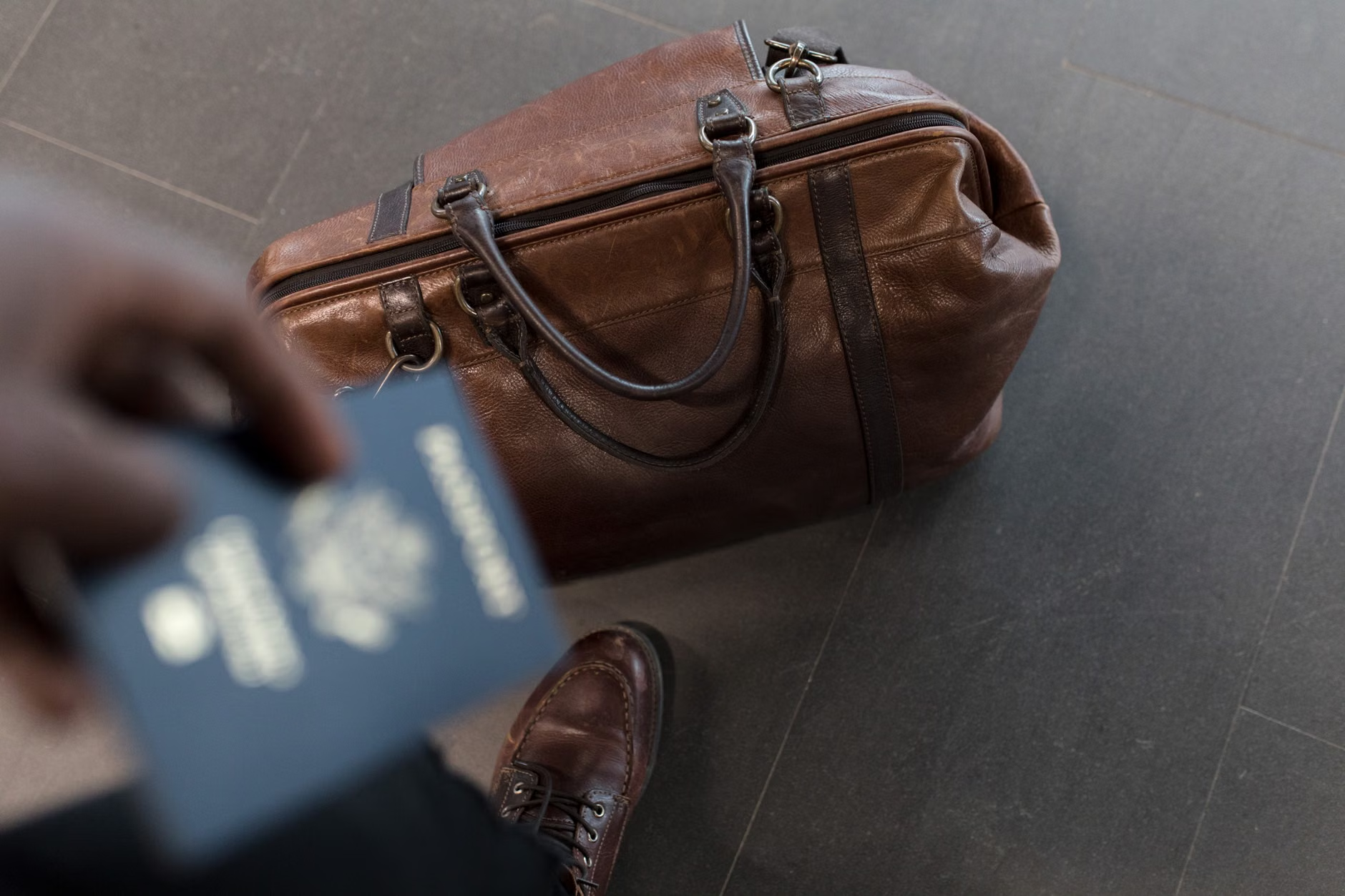
The best carry-on packing list is not a giant master list of everything that might be useful. It is a filter. A good carry-on should cover three things: what you need in transit, what would be hard to replace if checked luggage is delayed, and what cannot safely go in a checked bag. Once those priorities are clear, packing gets much easier.
Pack for the flight, the first 24 hours, and the irreplaceable items
Before putting anything in a carry-on, sort each item into one of these buckets. If it fits none of them, it probably belongs in checked luggage or should stay home.
- Transit essentials: passport or ID, wallet, phone, medications, chargers, headphones, and anything needed during the airport experience and flight.
- First-day backup: one clean outfit, underwear, basic toiletries, and any item needed to get through the first night if a checked bag does not arrive on time.
- Irreplaceable or restricted items: valuables, work devices, travel documents, and spare lithium batteries or power banks that should stay in the cabin.
That approach keeps the bag practical. It also prevents the most common carry-on mistake: using valuable cabin space for low-priority “just in case” items while the truly important things get scattered across different bags.
A practical carry-on list that works on most trips
Think of your carry-on as a two-part system: the main bag in the overhead bin and the smaller personal item under the seat. Start with the main carry-on.
Core essentials that should always make the cut
- Travel documents and money: ID or passport, boarding pass access, wallet, one backup payment method, and any reservation details that would be annoying to retrieve on the fly.
- Medications and medical basics: prescription medication, a small supply of over-the-counter basics, glasses or contacts, and any medical device or paperwork that should not be separated from you.
- Phone and power: phone, charging cable, wall plug, and a power bank. Keep charging gear together in one pouch so it is easy to grab at the gate or hotel.
- One change of clothes: fresh underwear, socks, and a simple top. For longer or more formal trips, add lightweight pants or another compact outfit.
- Minimal toiletries: toothbrush, toothpaste, deodorant, lip balm, moisturizer, and any small items that make the first evening or early morning easier.
- Valuables and fragile items: jewelry, camera gear, laptop, tablet, hard drives, or anything expensive, delicate, or difficult to replace during the trip.
Small additions that usually earn their space
- An empty refillable water bottle to fill after security.
- A compact snack that will not melt or leak.
- Noise-canceling headphones or basic earplugs.
- A light layer such as a sweater, scarf, or packable jacket.
- A pen, especially for customs forms or quick notes.
- A luggage tag and a small laundry bag for separating worn clothes.
This is where trip length matters less than people assume. A two-day trip and a ten-day trip often need the same carry-on core. What changes is the checked bag or the laundry plan, not the list of must-have cabin items.
Use your personal item as the under-seat survival kit
The personal item is not just overflow space. It should hold the things you need without standing up, opening the overhead bin, or digging through the main bag in a crowded aisle. For most travelers, that means the items most likely to be used between security and landing.
- Wallet, passport or ID, phone, and boarding pass access.
- Prescription medication and anything needed urgently during the flight.
- Charging cable, power bank, and headphones.
- A snack, empty water bottle, and tissues.
- A book, e-reader, or tablet if it will actually be used.
- One comfort item: neck pillow, eye mask, or a light sweater, not all three unless there is room.
If a gate agent asks to check the larger bag, the personal item should still leave you fully functional. That is the easiest way to tell whether your packing setup is solid.
The rules and tradeoffs that actually change what you pack
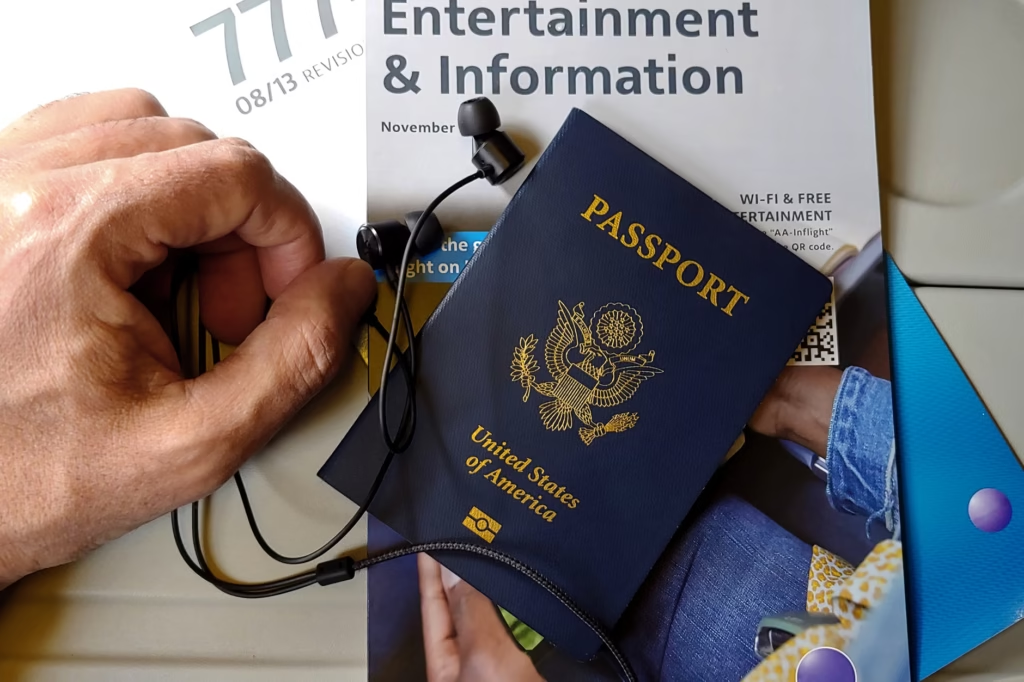
Two rules matter more than most travelers realize. First, the TSA’s 3-1-1 rule still applies to most carry-on liquids, gels, aerosols, creams, and pastes, so toiletries usually need to be edited down to travel-size containers. Medically necessary liquids are treated differently, but they should be declared during screening. Second, FAA battery rules matter for modern travel: spare lithium batteries and power banks belong in carry-on baggage, not checked luggage. If the larger carry-on gets gate-checked, those battery items should come out and stay with you.

A smart carry-on is usually lighter than people expect. The goal is not to recreate your entire suitcase in the overhead bin. It is to protect the trip from delays, discomfort, and avoidable airport problems.
- Do a first-night check: If the checked bag vanished for 24 hours, would the carry-on still cover sleep, hygiene, medication, and the next morning’s outfit?
- Do a security check: Are liquids grouped, electronics easy to reach, and pockets free of forgotten items that could slow screening?
- Do a gate-check check: If the overhead bag were taken away at the last minute, would the personal item still hold documents, medication, valuables, and battery-powered essentials?
That is the real ultimate carry-on list: not more stuff, but the right stuff in the right bag. Pack for the flight, the first day, and the items you cannot afford to lose, and almost any trip becomes easier from the moment you leave home.