

Most road trip problems start before the first mile. Maybe a tire was already losing pressure, a recall was still open, the route looked simple until the weather changed, or the charger that keeps maps and tickets accessible was left on the kitchen counter. A good checklist is not about overplanning for its own sake. It is about catching the problems that are cheap and easy to fix while the car is still in the driveway. (nhtsa.gov)
Handle the vehicle checks a few days early
Do the car-related tasks early enough that a real problem does not ruin departure day. NHTSA recommends checking for open recalls with your VIN or license plate and inspecting key basics before long trips, including tires, lights, wipers, battery, and fluids. Tire pressure should be checked when the tires are cold, and the correct PSI comes from the vehicle label or owner’s manual, not the number printed on the tire sidewall. (nhtsa.gov)
- Look up open recalls before you leave. If a recall appears, follow the manufacturer or dealer steps for repair; NHTSA says recall fixes are performed free of charge. (nhtsa.gov)
- Check tire pressure on all tires, including the spare, while they are cold. Inspect tread and sidewalls for cuts, punctures, bulges, scrapes, cracks, or bumps. (nhtsa.gov)
- Do not rely on the tire-pressure warning light alone. NHTSA notes that tire pressure monitoring systems usually warn only when a tire is significantly underinflated. (nhtsa.gov)
- Test headlights, brake lights, turn signals, wipers, and washer fluid. These are easy to ignore on a normal commute and frustrating to discover in rain or after dark. (nhtsa.gov)
- If luggage is going on a roof rack, hitch carrier, or trailer, secure it properly and avoid excessive cargo. NHTSA stresses that drivers are responsible for making sure loads do not drop, shift, or escape the vehicle. (nhtsa.gov)

If the tires are near replacement, the car has been sitting, or the load will be much heavier than usual, this is the wrong week to see how it goes. Long highway runs, heat, and full passenger or cargo loads can expose borderline problems faster than short local errands. (nhtsa.gov)
Plan the drive, not just the destination
Navigation apps are useful, but they are not a complete trip plan. NHTSA advises reviewing directions and maps before you go and letting someone else know your route and estimated arrival time. The National Weather Service advises checking forecasts regularly, staying alert for watches and warnings, and considering delays when severe weather is along the route. (nhtsa.gov)
- Save the primary route before departure and know the basic backup if a closure, storm, or traffic backup forces a change. (nhtsa.gov)
- Check the forecast for the whole drive, not just the destination. A clear arrival city does not help much if the midpoint includes severe thunderstorms, high winds, or flooding. (weather.gov)
- Mark realistic stops ahead of time, especially on long rural stretches, mountain routes, or any leg where kids, pets, towing, or charging needs will slow the day down. As a practical rule, add more buffer than the map app suggests. (nhtsa.gov)
- Send your route and ETA to one person and decide when you will check in if service becomes spotty. That matters more than many travelers think once a delay turns into a breakdown or weather stop. (nhtsa.gov)
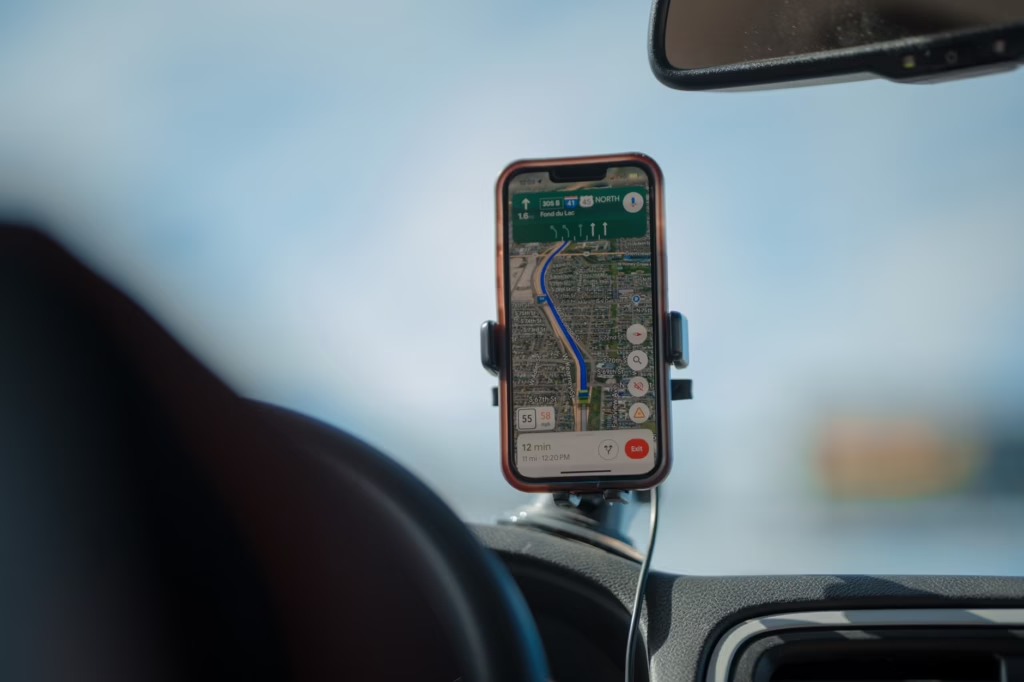
A six-hour interstate day is very different from six hours on back roads, in mountains, through heavy construction, or in extreme heat. If the trip includes towing, young kids, pets, or an EV charging plan with little slack, the safer schedule is usually the one with more margin and less nighttime rushing. (nhtsa.gov)
Pack for delays, then do a final 10-minute check
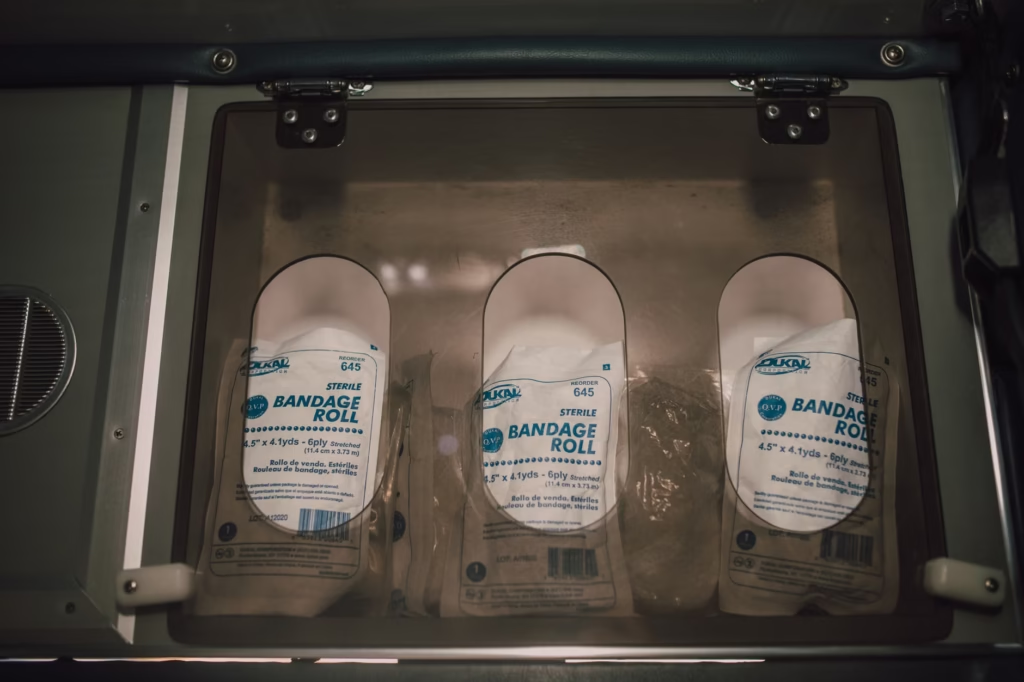
Pack for the day when something slips. NHTSA recommends carrying a roadside emergency kit with a cell phone and charger, first aid kit, flashlight, jumper cables, nonperishable food, and water. Ready.gov also recommends building an emergency kit and using reliable ways to receive alerts and preparedness information, including official apps and warning systems. (nhtsa.gov)
- Water, snacks, prescription medicines, glasses, and any daily-use items that would be a real problem to replace at a random exit. (ready.gov)
- Phone charger, backup battery, and a simple written note with key addresses, confirmation numbers, or emergency contacts in case the phone dies at the wrong time. (ready.gov)
- Flashlight, first aid kit, jumper cables, and basic roadside essentials kept where they can be reached without unloading half the trunk. (nhtsa.gov)
- Kid and pet essentials if they are riding along, including food, water, medications, and restraint gear that still fits and is installed correctly. (nhtsa.gov)
- Heavy bags packed low and secured so they do not shift during hard braking or spill out when a hatch opens. (nhtsa.gov)
Comfort is not a reason to rush a child out of the right restraint. NHTSA says children should ride in age- and size-appropriate car seats or booster seats, and many older kids still need a booster until the adult belt fits properly across the shoulder and chest and low on the upper thighs. (nhtsa.gov)
- Walk around the vehicle once. Check doors, lights, windows, and anything attached to the roof, hitch, or rear cargo area. (nhtsa.gov)
- Check the latest weather and road conditions again if conditions have been unstable. Watches can turn into warnings after the route was planned. (weather.gov)
- Set navigation, music, charging cables, and any needed phone settings before the vehicle moves. NHTSA treats adjusting navigation or a phone while driving as distracted driving. (nhtsa.gov)
- Make sure everyone is buckled, confirm child-seat fit, and do a quick driver check too. If the driver is already tired or rushed, shorten the first leg or delay the start. (nhtsa.gov)
The most useful road trip checklist is the one that prevents preventable surprises. Check the car early, build a route with margin, pack for a delay instead of a perfect day, and give yourself ten quiet minutes before departure. Leaving a little later is usually better than discovering a problem two states from home. (nhtsa.gov)
References
- NHTSA – Summer Driving & Road Trip Tips – https://www.nhtsa.gov/summer-driving-tips
- NHTSA – Tire Safety – https://www.nhtsa.gov/vehicle-safety/tires
- NHTSA – Check for Recalls – https://www.nhtsa.gov/recalls
- National Weather Service – Prepare for Severe Thunderstorms – https://www.weather.gov/safety/thunderstorm-prepare
- Ready.gov – Plan Ahead for Disasters – https://www.ready.gov/
- NHTSA – Car Seat & Booster Seat Safety, Ratings, Guidelines – https://www.nhtsa.gov/vehicle-safety/car-seats-and-booster-seats
- NHTSA – Distracted Driving – https://www.nhtsa.gov/campaign/distracted-driving