
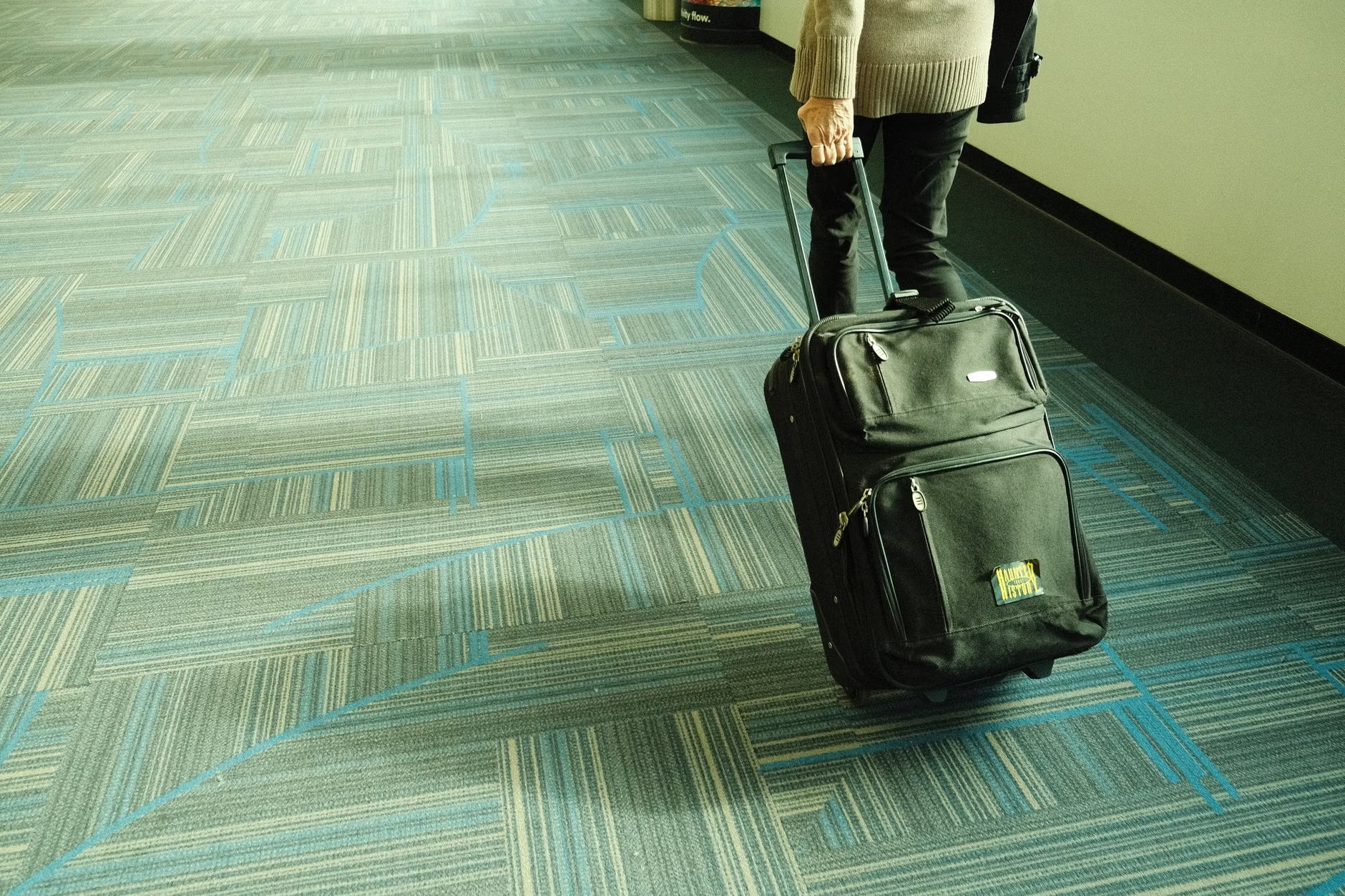
Solo travel gets described in extremes: either endlessly liberating or inherently risky. For most beginners, it is neither. It is a skill. The real job is to choose a trip that is easy to manage, plan the parts that are hardest to improvise alone, and set up enough structure that a mistake stays inconvenient instead of becoming a crisis. Start there, and a first solo trip can feel energizing instead of draining.
Your first solo trip should feel manageable, not impressive
Many first-timers choose the destination that sounds most exciting instead of the one that is easiest to handle alone. A better first trip usually has straightforward transportation, a neighborhood you can navigate without much effort, and lodging you can reach without solving a logistics puzzle after midnight. If the goal is confidence, a weekend in one city or a one-base trip often teaches more than a packed itinerary with multiple hotels and connections.
Ease matters more than novelty. A private room in a social hostel, a small hotel near transit, or a guesthouse with a staffed front desk can all work well because they offer optional contact without requiring constant social energy. That tradeoff matters. Traveling alone gives you freedom, but it also means every decision, delay, and wrong turn belongs to you. Keeping the plan lighter than you would on a group trip is not playing it safe in a bad way. It is simply good judgment.
Plan the first 24 hours before you book anything
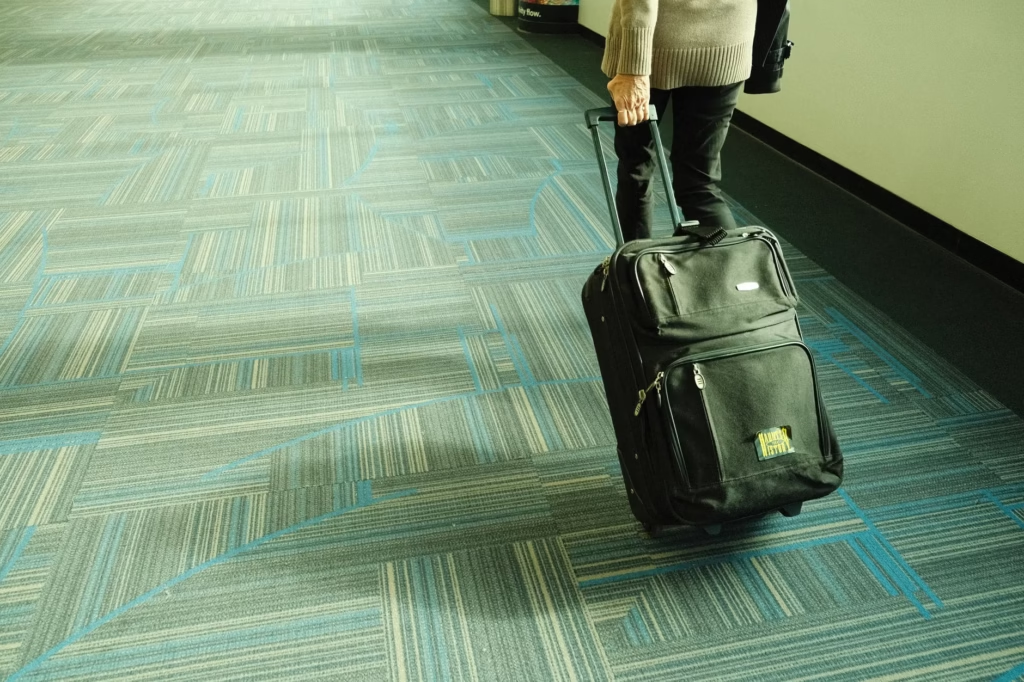
The hardest part of solo travel is rarely the sightseeing. It is arrival. You land tired, need data or Wi-Fi, need to find transit, and have no one else to hold the bags or make the next decision. Before booking, answer these questions first:
- What time do you arrive? Daytime arrivals are usually easier for a first solo trip than late-night landings.
- How do you get from the airport or station to your lodging? Know the exact route, the backup option, and the address written somewhere other than your phone.
- Where are you sleeping the first two nights? Book them in advance so you are not comparing options while exhausted.
- How will your phone work? Set up roaming, an eSIM, or another data plan, and download offline maps before departure.
- What is your money backup? Carry two payment methods and keep them in separate places.
A simple hypothetical example shows the difference. A nonstop morning flight, a hotel close to transit, and one prebooked activity for the first afternoon is a strong beginner setup. Arriving at 11 p.m. with no data plan, no transfer plan, and no confirmed first night is not adventurous. It is just a stressful way to learn avoidable lessons.
Use a safety routine you can actually maintain
For international trips, check the State Department’s destination information before leaving. Its travel checklist directs travelers to review travel advisories, entry and visa requirements, passport validity rules, local laws, embassy contact information, and destination-specific health guidance. It also recommends making copies of important travel documents. If you are traveling outside the United States, the Smart Traveler Enrollment Program, or STEP, is a free service that sends embassy or consulate updates and can help officials contact you or your emergency contact in an emergency. (travel.state.gov)
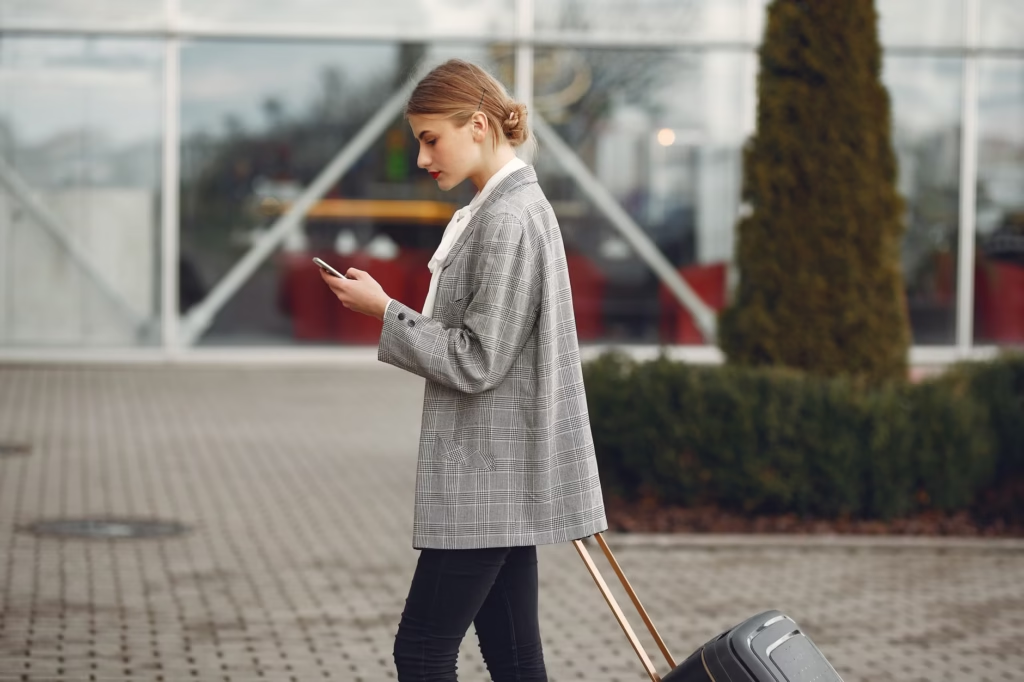
In practice, beginner safety is usually less about buying special gear and more about reducing friction. Share your itinerary and lodging details with one trusted person. Keep some cash, a backup card, and a copy of your ID separate from your main wallet. Avoid getting so tired, drunk, or distracted that you lose the ability to make basic decisions. And do not talk yourself out of leaving a situation that feels off just because you worry about seeming rude.
One detail many beginners overlook is medical backup. The State Department says the U.S. government does not pay medical bills or unexpected travel costs for U.S. citizens abroad, and its checklist notes that U.S. health insurance, including Medicare and Medicaid, usually does not cover care abroad. That does not mean every trip needs the same insurance setup, but it does mean checking what your plan covers before you leave is part of basic preparation, not overplanning. (travel.state.gov)
Pack for independence, not every possible scenario
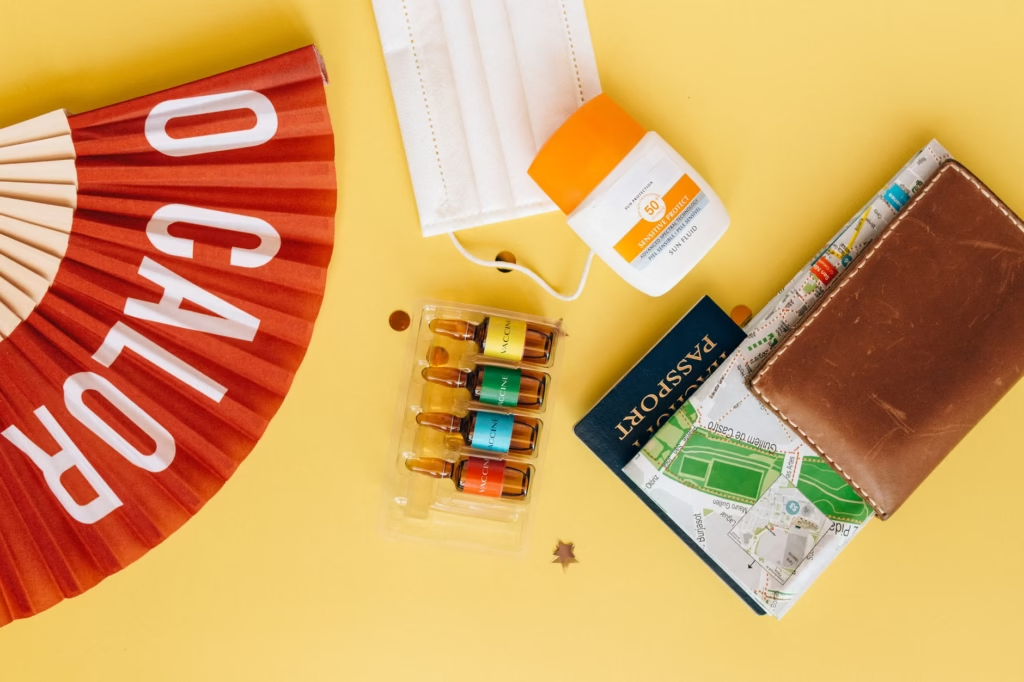
The most useful packing rule for solo travel is simple: if you cannot comfortably carry it up stairs, across a platform, and into a bathroom stall by yourself, it is too much. Bring fewer outfits and more redundancy in the things that keep the trip moving, such as a charger, power bank, basic first-aid items, prescriptions, and one change of clothes in your carry-on or day bag. For international travel, the State Department advises bringing copies of prescriptions and labeled bottles, and the CDC advises travelers who may need destination-specific vaccines, medicines, or health advice to talk with a health care provider at least a month before departure. (travel.state.gov)
If your first solo trip involves a flight within the U.S., do one boring but important check a day or two before leaving: make sure your ID is acceptable for the airport checkpoint. TSA says adults 18 and older must show valid identification, and its list of acceptable IDs can change, so it is worth confirming rather than assuming. (tsa.gov)
Beginner solo travel does not require fearlessness. It requires a manageable first destination, a calm arrival plan, and a few backups that keep small problems small. Get those right, and the trip starts feeling less like a test of courage and more like what it should be: time that is fully your own.
References
- U.S. Department of State: International Travel Checklist – https://travel.state.gov/en/international-travel/planning/checklist.html?sfns=mo
- U.S. Department of State: Smart Traveler Enrollment Program (STEP) – https://travel.state.gov/content/travel/en/international-travel/before-you-go/step.html?sf6684224=1
- CDC: Survival Guide to Safe and Healthy Travel – https://wwwnc.cdc.gov/travel/page/survival-guide
- TSA: Acceptable Identification at the TSA Checkpoint – https://www.tsa.gov/travel/security-screening/identification?ftag=MSF0951a18